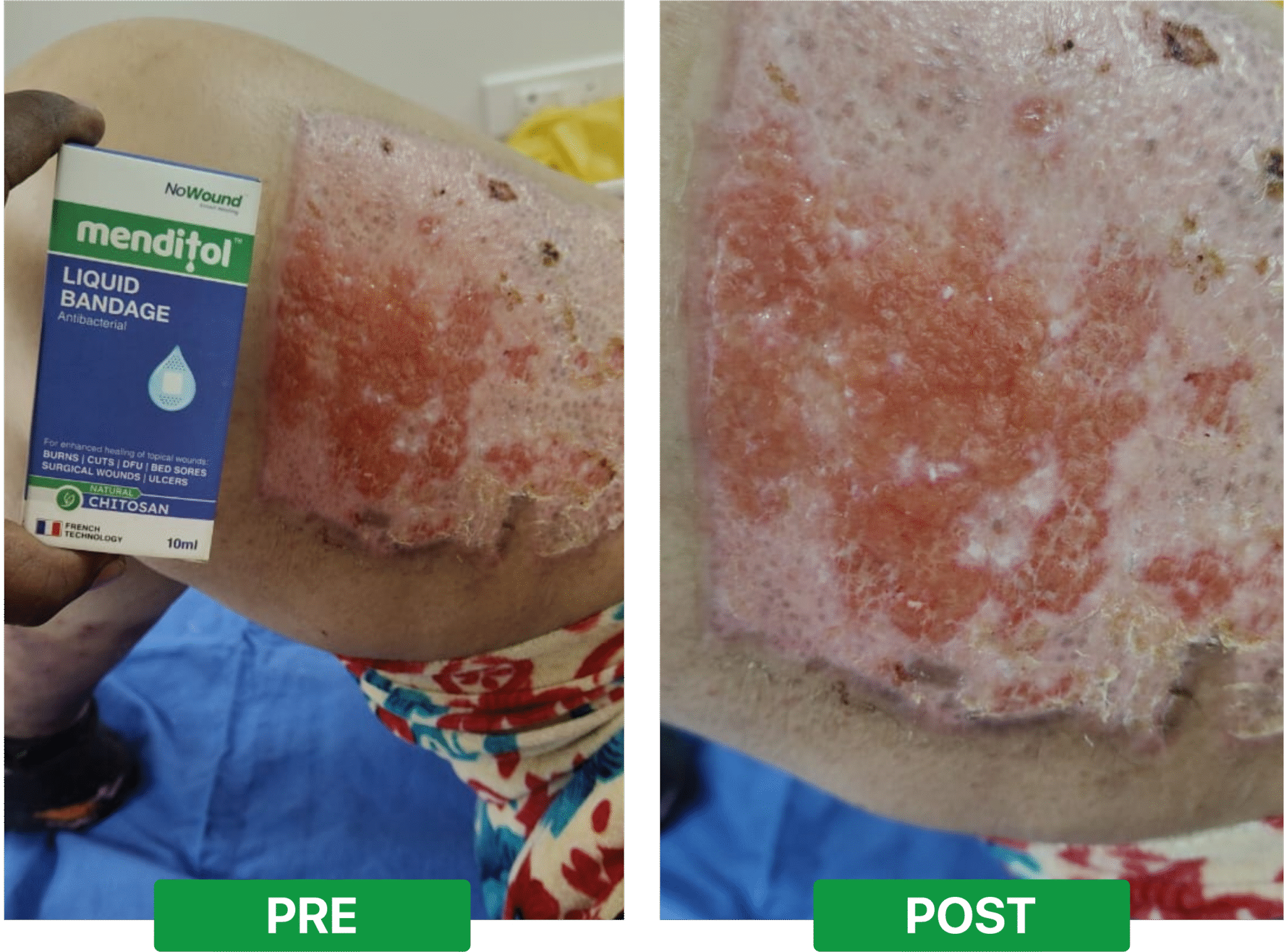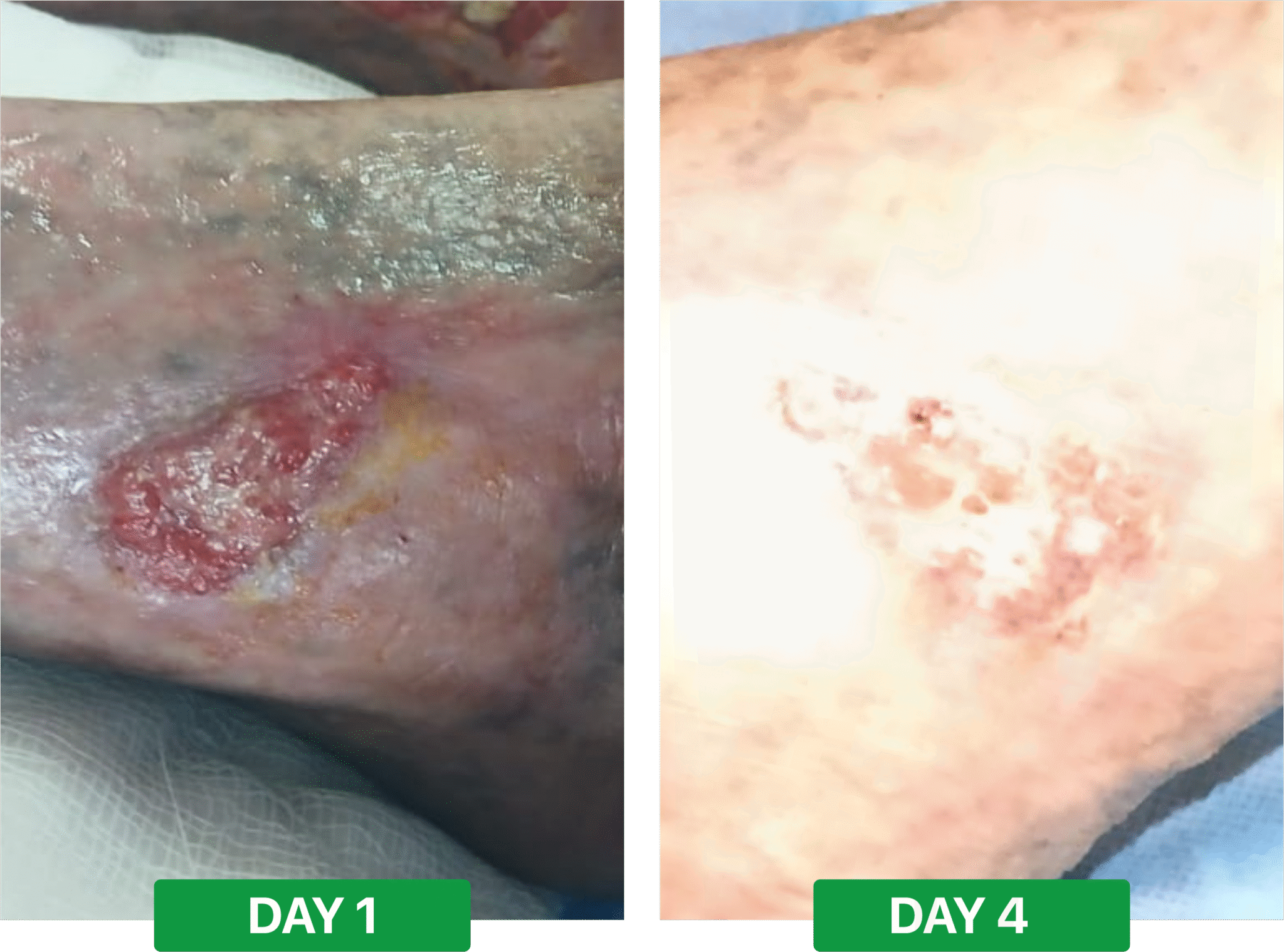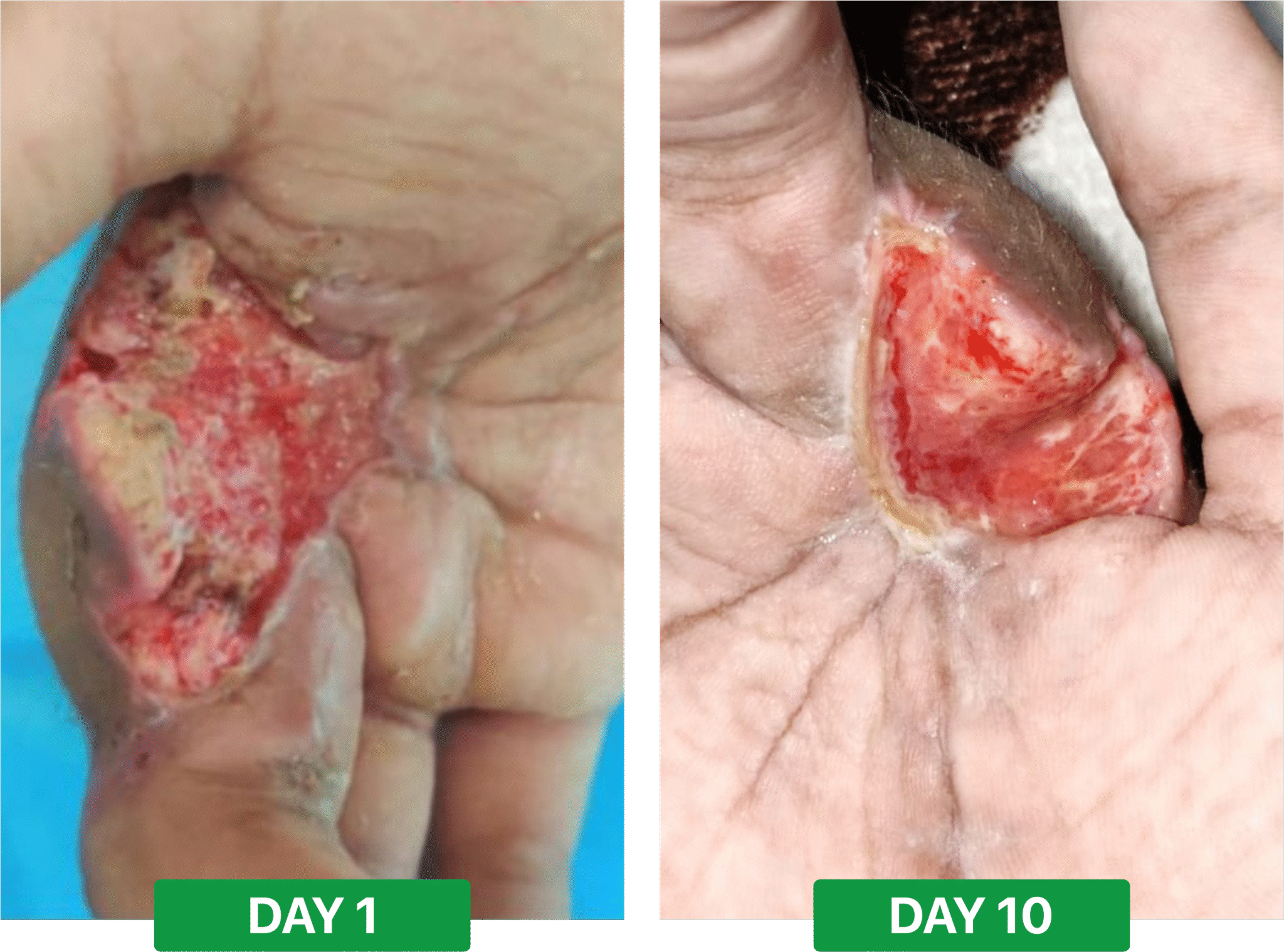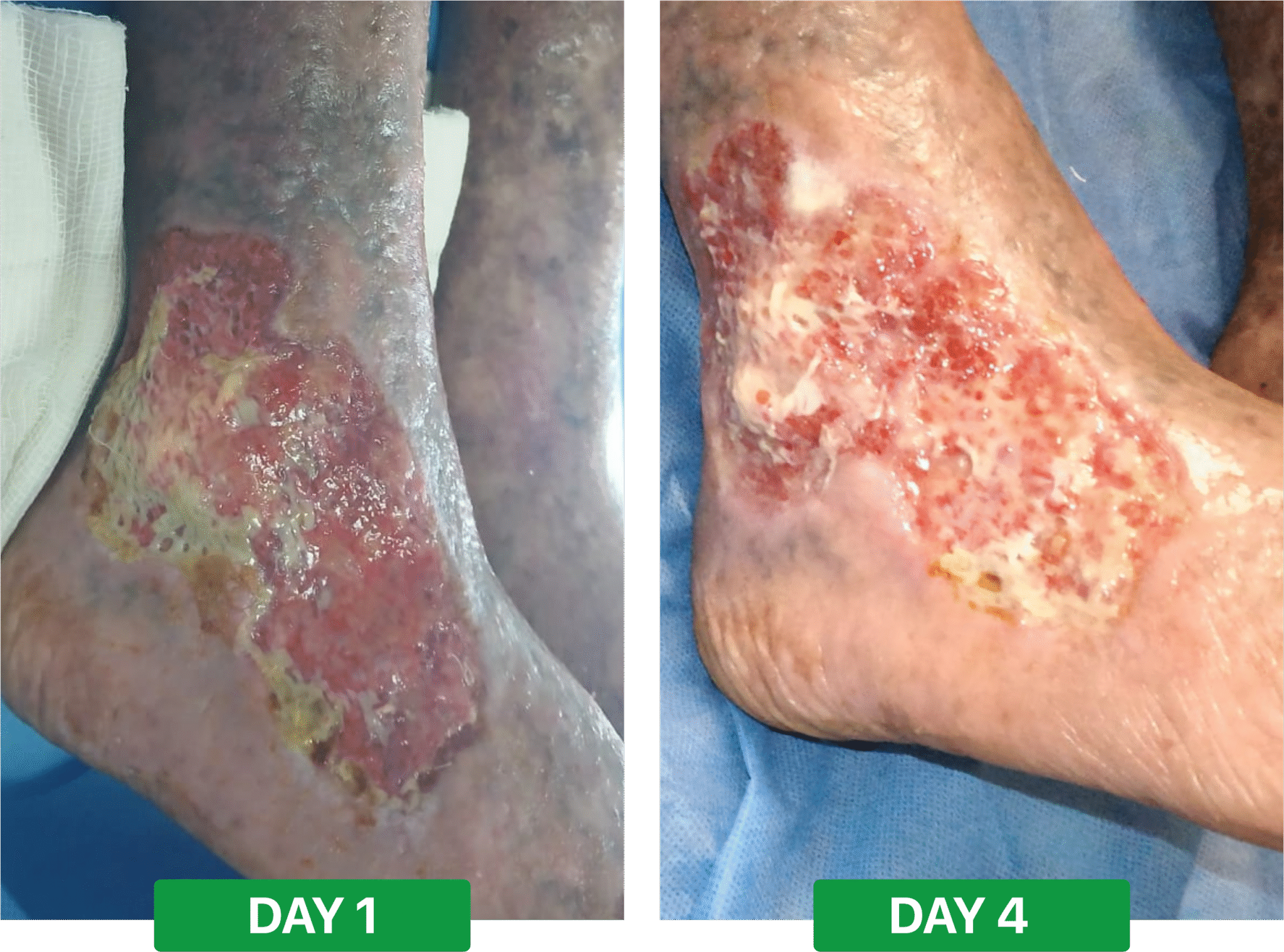
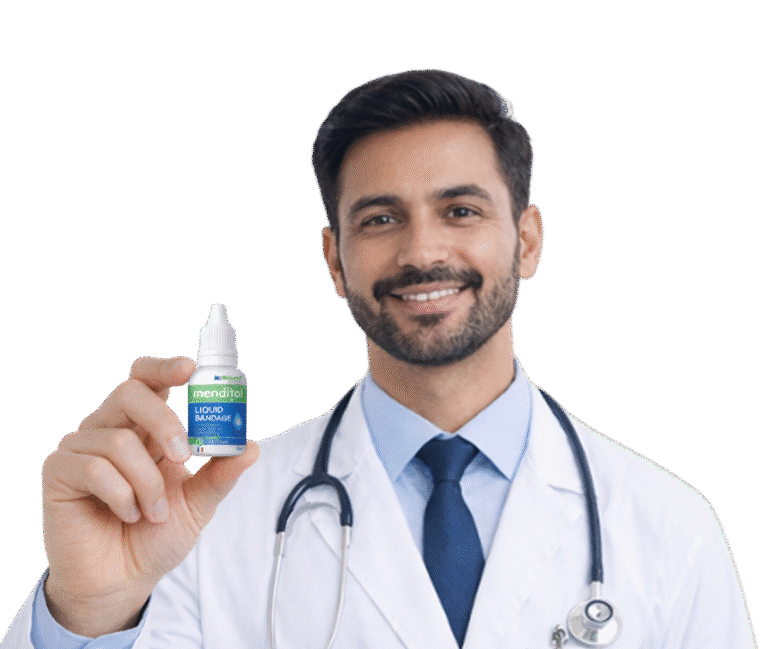

Clinically Proven

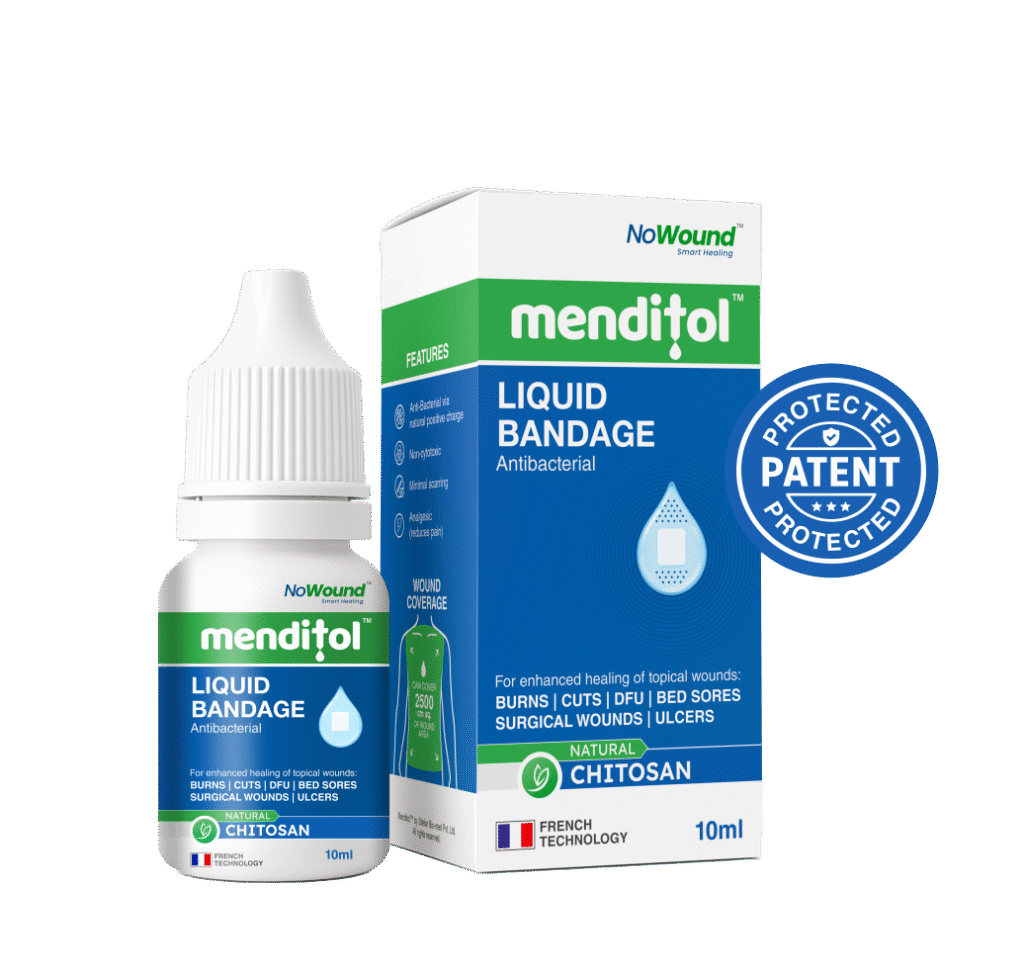
Advanced Liquid Bandage for Faster, Safer Wound Healing

Powered by high-purity chitosan to protect wounds, reduce infection, and accelerate tissue repair.

A next-generation
liquid bandage

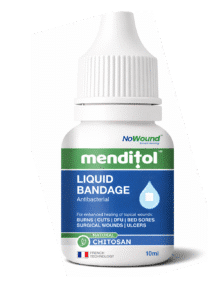
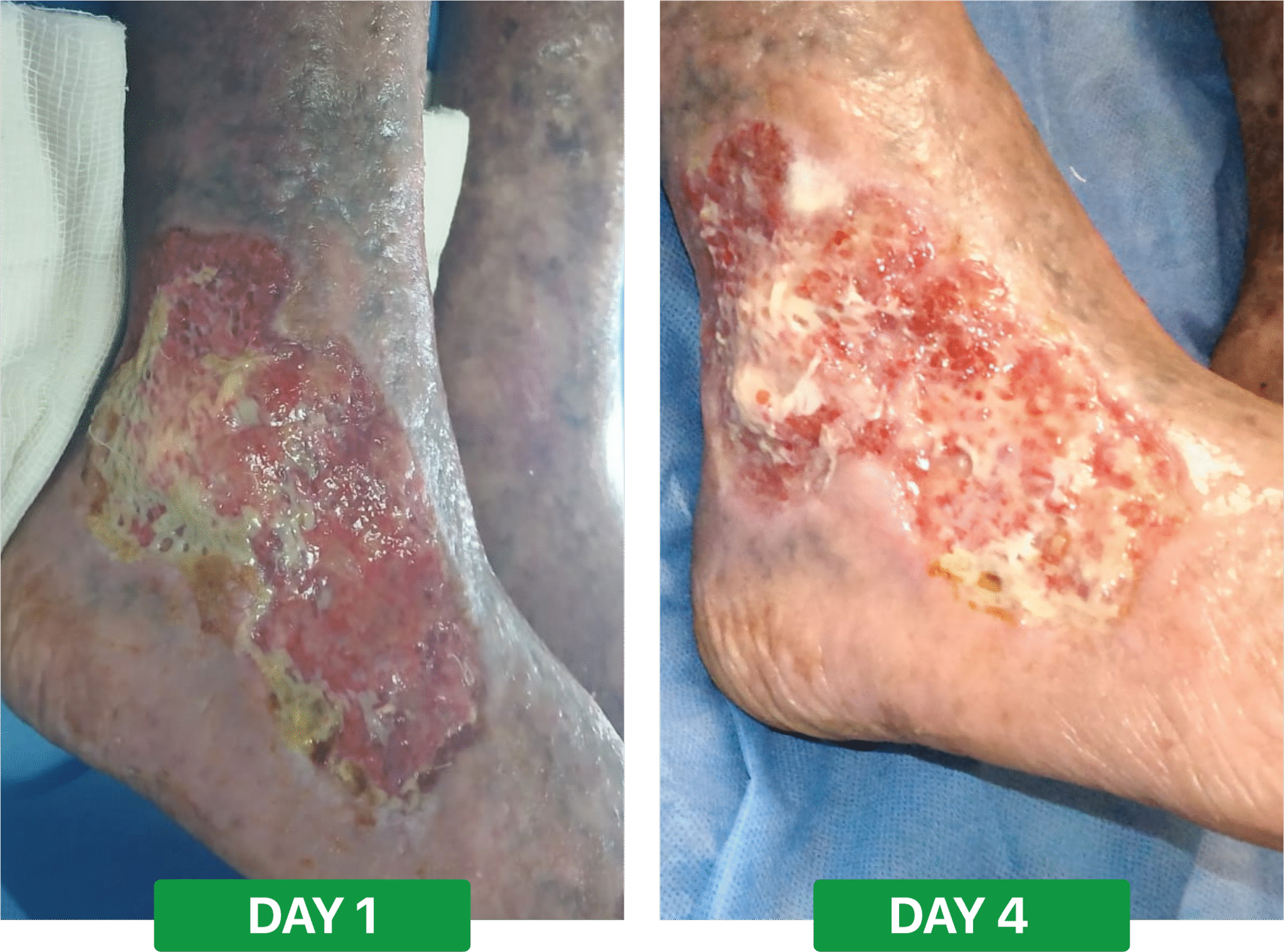
Formulated with high-purity Chitosan Lactate to accelerate  healing, reduce infection, relieve pain and provide rapid hemostasis. Ideal for burns, diabetic foot ulcers, surgical wounds and everyday cuts.

Non-Cytotoxic and Biocompatible

Safe healing without any damage to healthy granulation tissue

Broad Antimicrobial
Action​

The positive charge of chitosan disrupts the negatively charged cell walls of bacteria and fungi.

Accelerated
Healing​

Promotes the rapid migration and proliferation of essential skin cells (fibroblasts and keratinocytes)

Enhanced Tissue Regeneration

Stimulates the synthesis and organized deposition of collagen and other extracellular matrix components.

Hemostatic Action

Cationic chitosan interacts with negatively charged RBCs & platelets.

Autolytic Debridement

Maintains an optimal moist environment for wound healing.

Anti-Inflammatory

Helps regulate the inflammatory response by modulating cytokine production.

Analgesic Action

Helps cover exposed sensitive nerves and interferes with the nerve impulse due to its positive charge.

Non-Cytotoxic and Biocompatible

Safe healing without any damage to healthy granulation tissue

Broad Antimicrobial
Action​

The positive charge of chitosan disrupts the negatively charged cell walls of bacteria and fungi.

Accelerated
Healing​

Promotes the rapid migration and proliferation of essential skin cells (fibroblasts and keratinocytes)

Enhanced Tissue Regeneration

Stimulates the synthesis and organized deposition of collagen and other extracellular matrix components.

Autolytic Debridement

Maintains an optimal moist environment for wound healing.

Hemostatic Action

Cationic chitosan interacts with negatively charged RBCs & platelets.

Analgesic Action

Helps cover exposed sensitive nerves and interferes with the nerve impulse due to its positive charge.

Anti-Inflammatory

Helps regulate the inflammatory response by modulating cytokine production.

Advanced Chitosan-Based Interactive Wound Dressing

Liquid forms enter the deeper parts of the wound.

Non-adherent and non-traumatic removal.

Superior scar cosmesis.

Biocompatible and hypoallergenic, suitable for sensitive skin.

Conforms to uneven wound beds and hard-to-reach areas

Non-cytotoxic, safer than traditional wound care products

Liquid forms enter the deeper parts of the wound.

Non-adherent and non-traumatic removal.

Superior scar cosmesis.

Biocompatible and hypoallergenic, suitable for sensitive skin.

Conforms to uneven wound beds and hard-to-reach areas

Non-cytotoxic, safer than traditional wound care products

First and second degree burns

Surgical or post-op wounds

Donor sites and skin grafts

Venous ulcers

Diabetic foot ulcers

Pressure ulcers

Cuts and skin abrasions

Request a

Call back today

• Known allergy to chitosan- containing
products.

• Avoid use on deep puncture wounds or exuding wounds till exudate has stopped.

• Debride wounds with slough or biofilm before application.

• For external use only; not for internal application

1

Clean the wound thoroughly with sterile saline or water and gently pat dry
2

Apply an appropriate secondary dressing, if needed, once the menditol layer is completely dry​

3

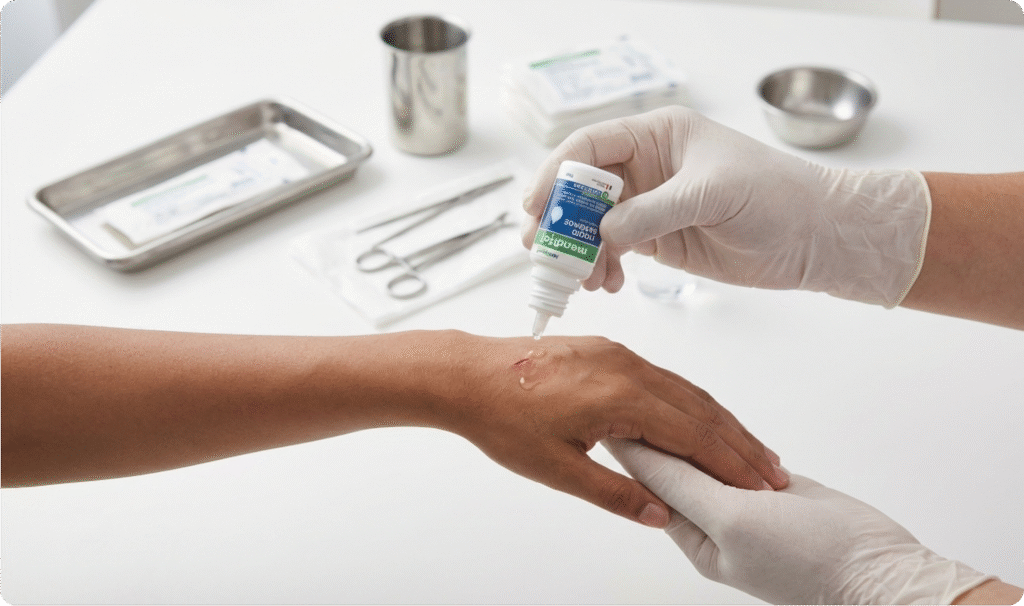
Apply to the wound, spread evenly into a thin layer, and allow it to air-dry for 3–5 minutes.
4

Dressing Change: Clean the area with sterile saline to dissolve the existing film, gently pat dry, and reapply.

1

Clean the wound thoroughly with sterile saline or water and gently pat dry

2

Apply an appropriate secondary dressing, if needed, once the menditol layer is completely dry​

3

Apply to the wound, spread evenly into a thin layer, and allow it to air-dry for 3–5 minutes.

4

Dressing Change: Clean the area with sterile saline to dissolve the existing film, gently pat dry, and reapply.

5

Frequency: At least once every 24 hours, or as clinically indicated.
Frequently Ask Questions (FAQs)

What is Menditol® liquid bandage?

Menditol® is an advanced chitosan-based bioactive liquid bandage designed to protect wounds, control infection, and accelerate natural healing. It forms a transparent protective film over the wound, supporting faster tissue repair with reduced pain and scarring.

Menditol® works through the bioactive properties of chitosan by rapidly stabilizing clots through interaction with RBCs and platelets, providing broad-spectrum antibacterial protection by disrupting bacterial and fungal cell walls, reducing pain and swelling by regulating inflammatory cytokines, accelerating wound closure by promoting fibroblast and keratinocyte migration, and enhancing tissue regeneration through improved collagen and extracellular matrix formation.

Menditol® is suitable for treating a wide range of acute and chronic wounds, including diabetic foot ulcers, pressure sores, venous leg ulcers, burns, surgical wounds, cuts, abrasions, and donor or skin graft sites.

Yes. Menditol® is commonly used under medical supervision to manage diabetic foot ulcers. Its antimicrobial and non-toxic formulation helps protect diabetic wounds, which are prone to delayed healing and infection.

No. Menditol® does not contain antibiotics or steroids. Its antimicrobial action is due to chitosan, which acts through a charge-based mechanism and does not contribute to antibiotic resistance.

Menditol® should be reapplied at least once every 24 hours, or more frequently if advised by a healthcare professional. During dressing changes, the existing film can be gently dissolved using sterile saline.

References

S.NOCountryIndicationScientific LiteratureYear of publication
Form of Chitosan-based productType of studyStudy model
01Saudi ArabiaBurns Chitosan topical gel formulation in the management of burn wounds
2009Gel / HydrogelResearch PublicationAnimal
02USBurns Chitosan Acetate Bandage as a Topical Antimicrobial Dressing for Infected Burns
2009Wound DressingResearch PublicationAnimal
03BrazilBurns Improvement of dermal burn healing by combining sodium alginate/chitosan-based films and low level laser therapy
2011FilmsResearch PublicationAnimal
04ChinaBurns Hydrogel sheets of chitosan, honey and gelatin as burn wound dressings
2012Gel / HydrogelResearch PublicationAnimal
05AlgeriaBurns Evaluation of healing activity of PVA/chitosan hydrogels on deep second degree burn: pharmacological and toxicological tests
2013Gel/HydrogelResearch PublicationAnimal
06BrazilBurns Microparticles of Aloe vera/vitamin E/chitosan: Microscopic, a nuclear imaging and an in vivo test analysis for burn treatment2014Other / MultipleResearch PublicationAnimal
07TaiwanGeneral Wounds Assessment of reinforced poly(ethylene glycol) chitosan hydrogels as dressings in a mouse skin wound defect model
2013Gel/HydrogelResearch PublicationAnimal
08TurkeyBurnsChitosan gel formulations containing egg yolk oil and epidermal growth factor for dermal burn treatment2015Gel/HydrogelResearch PublicationAnimal
09ChinaSpinal Cord injury NT3-chitosan elicits robust endogenous neurogenesis to enable functional recovery after spinal cord injury
2015Other / MultipleResearch PublicationAnimal
09IranUlcers Potential application of nanochitosan film as a therapeutic agent against cutaneous leishmaniasis caused by L. major
2015FilmsResearch PublicationAnimal

Advanced Chitosan-Based
Interactive Wound Dressing

A next-generation liquid bandage formulated with
high-purity Chitosan Lactate to accelerate healing, reduce infection,
relieve pain and provide rapid hemostasis. Ideal for burns, diabetic foot
ulcers, surgical wounds and everyday cuts.

Key Features

Non-Cytotoxic
and Biocompatible

Safe healing without any damage to healthy granulation tissue

Broad Antimicrobial Action

The positive charge of chitosan disrupts the negatively charged cell walls of bacteria and fungi

Accelerated
Healing

Promotes the rapid migration and proliferation of essential skin cells (fibroblasts and keratinocytes)

Enhanced Tissue
Regeneration

Stimulates the synthesis and organized deposition of collagen and other extracellular matrix (ECM) components

Hemostatic
Action

Cationic chitosan interacts with negatively charged RBCs & platelets

Autolytic
Debridement

Maintains an optimal moist environment for wound healing

Anti-
Inflammatory

Helps regulate the inflammatory response by modulating cytokine production

Analgesic
Action

Helps cover exposed sensitive nerves and interferes with the nerve impulse due to its positive charge


Advanced Chitosan-Based
Interactive Liquid Wound
Dressing

Advanced Chitosan-Based
Interactive Liquid Wound
Dressing

Key Features

Liquid forms enter
the deeper parts
of the wound

Non-adherent
and non-traumatict
of the wound

Superior scar
cosmesis

Indications

First and second degree burns

Diabetic foot ulcers

Donor sites and skin grafts

Pressure ulcers

Donor sites and skin grafts

Surgical or post-op wounds

Cuts and skin abrasions

Request a call
back today

Precautions

  •  Known allergy to chitosan-containing products
  • Avoid use on deep puncture wounds or exuding wounds till exudate has stopped
  • For external use only; not for internal application
  • Debride wounds with slough or biofilm before application

Application Protocol

1

Clean the wound thoroughly with sterile saline or water and gently pat dry

2

Apply the required drops directly to the wound. Spread evenly using a gloved finger or sterile spatula to form a thin layer. Allow it to air dry for 3-5 minutes

3

Apply an appropriate secondary dressing, if needed, once the menditol layer is completely drye

4

Dressing Change: Clean the area with sterile saline to dissolve the existing film, gently pat dry, and reapply

5

Frequency: At least once every 24 hours, or as clinically indicated

Application Protocol

1

Clean the wound thoroughly with sterile saline or water and gently pat dry

3

Apply an appropriate secondary dressing, if needed, once the menditol layer is completely drye

2

Apply the required drops directly to the wound. Spread evenly using a gloved finger or sterile spatula to form a thin layer. Allow it to air dry for 3-5 minutes

4

Dressing Change: Clean the area with sterile saline to dissolve the existing film, gently pat dry, and reapply

5

Frequency: At least once every 24 hours, or as clinically indicated

References

S.NOCountryIndicationScientific LiteratureYear of publication
Form of Chitosan-based productType of studyStudy model
01Saudi ArabiaBurns Chitosan topical gel formulation in the management of burn wounds
2009Gel / HydrogelResearch PublicationAnimal
02USBurns Chitosan Acetate Bandage as a Topical Antimicrobial Dressing for Infected Burns
2009Wound DressingResearch PublicationAnimal
03BrazilBurns Improvement of dermal burn healing by combining sodium alginate/chitosan-based films and low level laser therapy
2011FilmsResearch PublicationAnimal
04ChinaBurns Hydrogel sheets of chitosan, honey and gelatin as burn wound dressings
2012Gel / HydrogelResearch PublicationAnimal
05AlgeriaBurns Evaluation of healing activity of PVA/chitosan hydrogels on deep second degree burn: pharmacological and toxicological tests
2013Gel/HydrogelResearch PublicationAnimal
06BrazilBurns Microparticles of Aloe vera/vitamin E/chitosan: Microscopic, a nuclear imaging and an in vivo test analysis for burn treatment2014Other / MultipleResearch PublicationAnimal
07TaiwanGeneral Wounds Assessment of reinforced poly(ethylene glycol) chitosan hydrogels as dressings in a mouse skin wound defect model
2013Gel/HydrogelResearch PublicationAnimal
08TurkeyBurnsChitosan gel formulations containing egg yolk oil and epidermal growth factor for dermal burn treatment2015Gel/HydrogelResearch PublicationAnimal
09ChinaSpinal Cord injury NT3-chitosan elicits robust endogenous neurogenesis to enable functional recovery after spinal cord injury
2015Other / MultipleResearch PublicationAnimal
09IranUlcers Potential application of nanochitosan film as a therapeutic agent against cutaneous leishmaniasis caused by L. major
2015FilmsResearch PublicationAnimal
How Does NPWT help in patients with bed sores?