
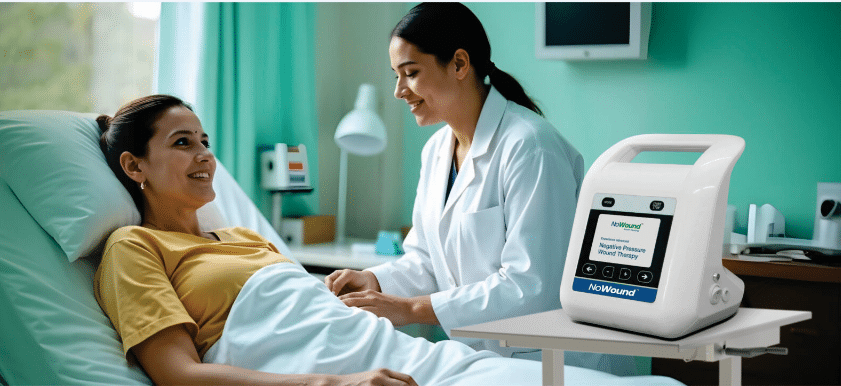
Compartment syndrome is a critical condition characterized by increased pressure within a muscle compartment, often requiring surgical intervention. Negative Pressure Wound Therapy (NPWT) is an advanced wound care technique that creates a controlled environment to accelerate healing and manage open wounds effectively.
NPWT assists in managing compartment syndrome post-fasciotomy by:
Effective Group | Risk Factors | NPWT Benefit |
Post-fasciotomy wounds | High fluid loss, infection risk | Controls exudate and prevents bacterial growth |
Severe trauma cases | Extensive tissue damage | Promotes healing, reduces amputation risk |
Burn victims with compartment syndrome | Deep tissue damage, contractures | Enhances grafting success, reduces scarring |
Patients with delayed wound healing | Diabetes, vascular disease | Stimulates tissue regeneration |
Open wounds requiring skin grafts | Large wound size, poor graft adherence | Supports graft take and reduces complications |
NPWT is recommended for large open wounds, wounds at high risk of infection, and cases requiring delayed closure or skin grafting.
Typically, NPWT can be started once the initial swelling has subsided and the surgical wound is stable, usually within a few days of the fasciotomy. Your surgeon will determine the precise timing.
NPWT accelerates healing by reducing swelling, removing exudate, and promoting tissue regeneration, leading to faster wound closure.
NPWT aims to prepare the wound bed for closure, which may involve delayed primary closure, skin grafting, or other reconstructive procedures. It greatly aids in reducing the size of the wound but doesn’t always completely close it on its own.
A key benefit of NPWT is its ability to reduce edema, which is crucial in managing post-fasciotomy swelling and promoting tissue healing.
Possible risks include bleeding, discomfort, and device-related complications, but these are minimized with proper wound assessment and monitoring.
While some discomfort is possible, NPWT often reduces overall pain by stabilizing the wound and minimizing the need for frequent dressing changes, which can be painful.
NPWT can enhance mobility by reducing swelling and promoting wound healing. However, movement will also depend on the severity of the initial injury and rehabilitation progress. Your physical therapist will work with you to gradually increase mobility.
NPWT aims to promote optimal wound healing, which can minimize scarring compared to other wound management methods. However, some scarring is inevitable after a fasciotomy.
Costs depend on wound size, treatment duration, and healthcare provider, but NPWT is cost-effective due to fewer complications and shorter hospital stays.
NPWT provides a transformative solution for post-fasciotomy wound care in compartment syndrome cases. Controlling swelling, preventing infection, and promoting faster healing has become critical tool for modern surgical wound management.
Consult your healthcare provider for a tailored approach using NPWT for compartment syndrome management.