
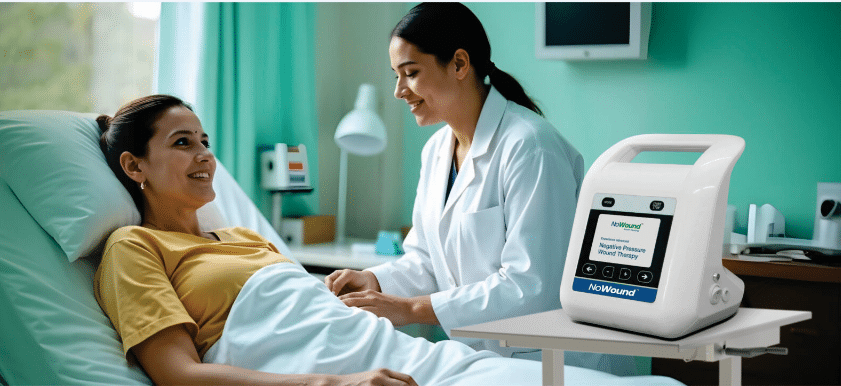
Advanced Fistula Management: The Power of NPWT

Introduction

Fistulas are abnormal connections between two epithelialized surfaces or body cavities that present unique challenges in wound management. Negative Pressure Wound Therapy (NPWT) has emerged as a valuable tool in managing these complex wounds, especially in cases of high-output fistulas or those with delayed healing

The Role of NPWT in Fistula Management

By creating a controlled wound environment, NPWT helps in:

  • Reducing excessive drainage: Prevents skin maceration and protects periwound tissue.
  • Enhancing granulation tissue formation: Promotes wound healing and tissue regeneration.
  • Minimizing infection risk: Reduces bacterial colonization by removing exudate.
  • Managing fistula output: Helps divert secretions away from healthy skin and enhances wound containment.
  • Optimizing conditions for surgical closure: Prepares the wound bed for definitive surgical intervention.

Indications and Contraindications for NPWT in Fistulas

Indications

NPWT is indicated for a variety of fistulas where wound management and tissue healing are primary goals:

  • Post-surgical enterocutaneous fistulas.
  • Traumatic fistulas.
  • Fistulas associated with Crohn’s disease.
  • Chronic non-healing wounds with secondary fistula formation.
  • Fistulas following radiation therapy.

Contraindications and Limitations

NPWT is not universally suitable for all types of fistulas or patients. Contraindications include:

  • Uncontrolled infection (e.g., sepsis, necrotizing fasciitis).
  • Exposed vital structures like blood vessels or nerves.
  • Fistulas with high-output (greater than 500 ml/day).
  • Presence of malignancy in the wound bed.
  • Ischemic wounds with inadequate blood supply.

Advantages of NPWT in Fistula Management

  1. Accelerated Healing: Stimulates rapid tissue regeneration.
  2. Reduced Infection Rates: Continuous drainage minimizes bacterial colonization.
  3. Enhanced Patient Comfort: Reduces the frequency of dressing changes.
  4. Controlled Exudate Management: Effective fluid removal prevents maceration.
  5. Reduced Need for Surgery: Facilitates non-invasive wound management.

NPWT vs. Traditional Fistula Management

Feature

NPWT

Traditional Wound Care

Drainage Control

Efficiently manages fistula output

Risk of skin maceration & leakage

Infection Risk

Lower due to sealed environment

Higher, requires frequent dressing changes

Granulation Promotion

Encourages faster tissue regeneration

Slower healing process

Skin Protection

Protects periwound tissue

Higher risk of periwound breakdown

Dressing Changes

Less frequent, enhancing patient comfort

More frequent, increasing burden on caregivers

NPWT Techniques and Application for Fistulas

Patient Preparation:

  • Assess the type and output of the fistula.
  • Ensure hemodynamic stability and control infection if present.

Fistula Isolation:

  • Use a barrier to isolate the fistula tract.
  • Options include hydrocolloid dressings, silicone rings, or stoma pouches.

Dressing Placement:

  • Cut the foam or gauze dressing to fit the wound.
  • Ensure it covers the wound bed completely but avoids direct contact with the fistula opening.

Sealing the Wound:

  • Apply an adhesive film over the dressing, ensuring an airtight seal.

Connecting the Vacuum:

  • Attach the vacuum pump to the dressing and set the pressure (usually between -75mmHg to -125mmHg).

Monitoring and Maintenance:

  • Change the dressing every 48-72 hours.
  • Monitor for leakage or infection.

Clinical Evidence and Effectiveness

Frequently Asked Questions (FAQs)

1. How will NPWT affect my daily life with a fistula?

NPWT can improve your quality of life by reducing fistula output, controlling odor, and promoting healing.

Your doctor will advise on appropriate activity levels based on your specific condition.

Signs such as increased pain, swelling, redness, foul-smelling discharge, or fever could indicate problems.

Yes, NPWT can be used alongside other therapies like antibiotics or medications to manage underlying conditions.

Healing time varies depending on the fistula’s type, size, and overall patient health. However, NPWT often leads to faster healing compared to traditional methods.

Some discomfort may be experienced during dressing changes, but overall, NPWT can help reduce pain by promoting healing and minimizing swelling.  

Conclusive Thoughts on NPWT for Fistulas

Negative Pressure Wound Therapy (NPWT) has revolutionized fistula management, offering a dynamic and effective approach to healing these complex wounds. By promoting tissue regeneration, controlling infection, and minimizing complications, NPWT enhances recovery and improves patient outcomes. 

While careful consideration and meticulous application are essential, NPWT stands as a valuable tool in modern wound care, providing hope and healing for those facing the challenges of fistulas.

24/7 Patient Helpline

9773941323