
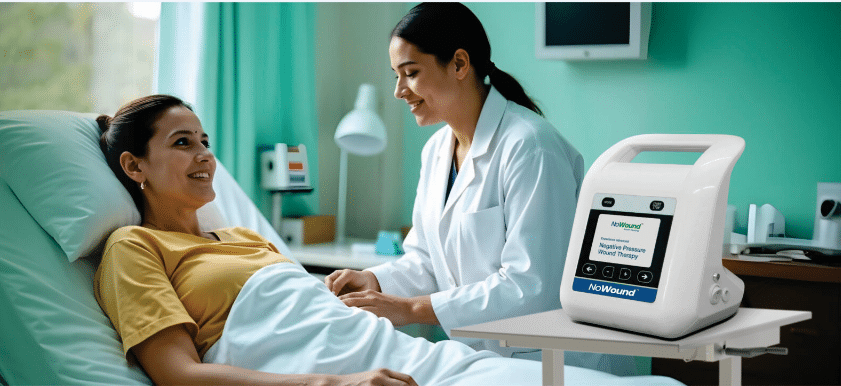
Fistulas are abnormal connections between two epithelialized surfaces or body cavities that present unique challenges in wound management. Negative Pressure Wound Therapy (NPWT) has emerged as a valuable tool in managing these complex wounds, especially in cases of high-output fistulas or those with delayed healing
By creating a controlled wound environment, NPWT helps in:
NPWT is indicated for a variety of fistulas where wound management and tissue healing are primary goals:
NPWT is not universally suitable for all types of fistulas or patients. Contraindications include:
Feature | NPWT | Traditional Wound Care |
Drainage Control | Efficiently manages fistula output | Risk of skin maceration & leakage |
Infection Risk | Lower due to sealed environment | Higher, requires frequent dressing changes |
Granulation Promotion | Encourages faster tissue regeneration | Slower healing process |
Skin Protection | Protects periwound tissue | Higher risk of periwound breakdown |
Dressing Changes | Less frequent, enhancing patient comfort | More frequent, increasing burden on caregivers |
Patient Preparation:
Fistula Isolation:
Dressing Placement:
Sealing the Wound:
Connecting the Vacuum:
Monitoring and Maintenance:
NPWT can improve your quality of life by reducing fistula output, controlling odor, and promoting healing.
Your doctor will advise on appropriate activity levels based on your specific condition.
Signs such as increased pain, swelling, redness, foul-smelling discharge, or fever could indicate problems.
Yes, NPWT can be used alongside other therapies like antibiotics or medications to manage underlying conditions.
Healing time varies depending on the fistula’s type, size, and overall patient health. However, NPWT often leads to faster healing compared to traditional methods.
Some discomfort may be experienced during dressing changes, but overall, NPWT can help reduce pain by promoting healing and minimizing swelling.
Negative Pressure Wound Therapy (NPWT) has revolutionized fistula management, offering a dynamic and effective approach to healing these complex wounds. By promoting tissue regeneration, controlling infection, and minimizing complications, NPWT enhances recovery and improves patient outcomes.
While careful consideration and meticulous application are essential, NPWT stands as a valuable tool in modern wound care, providing hope and healing for those facing the challenges of fistulas.