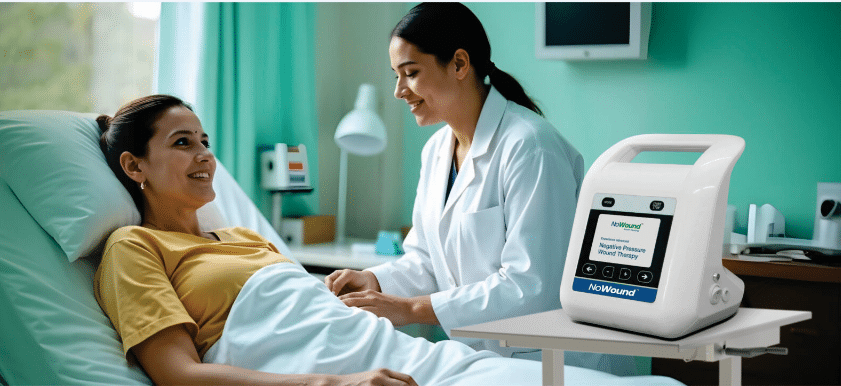
Infected wounds present a significant challenge in wound care, requiring specialized treatment to prevent complications and promote healing. Negative Pressure Wound Therapy (NPWT) has proven effective in managing and treating infected wounds by creating an optimal environment for recovery.
If you notice increased redness, swelling, warmth, pain, a foul odor, or pus-like drainage, it could indicate a worsening infection. Contact your healthcare provider immediately.
NPWT helps manage infection by removing bacteria and promoting healing, but it is not a substitute for antibiotics or surgical debridement when necessary. Your doctor will determine the best combination of treatments.
Dressing changes may be needed more frequently for infected wounds, sometimes every 24-48 hours, depending on the level of drainage and infection severity. Your provider will decide on the appropriate schedule.
If used improperly or if the infection is severe, bacteria can be spread. That’s why NPWT for infected wounds should always be managed by a trained healthcare professional.
Check the device screen for alerts. Common issues include loss of suction, tubing blockages, or full canisters. Contact your healthcare provider immediately if you’re unsure how to fix it.
Some discomfort may occur, especially during dressing changes. To minimize discomfort, your provider may recommend pain relief before dressing changes.
NPWT can provide significant benefits, particularly for slow-healing, infected wounds. By reducing infection risks and promoting faster recovery it offers hope for a better quality of life. Consult your doctor to determine if NPWT is the right solution for managing your wound.