Negative Pressure Wound Therapy (NPWT) for Post-Surgical Wounds

Introduction

Post-operative wounds, or wounds made following surgery, must be carefully managed to promote the best possible healing, lower the risk of infection, and avoid problems like dehiscence or delayed closure.

Negative Pressure Wound Therapy (NPWT) has become one of the most successful advanced therapies. It improves tissue regeneration, speeds up healing, and improves surgical results.

What Are Post-Surgical Wounds?

Post-surgical wounds result from incisions made during surgical procedures. These vary in size, depth, and complexity based on the type of surgery performed. While most heal without complications, factors such as infection, poor circulation, or patient comorbidities can delay recovery and lead to complications like wound dehiscence or surgical site infections (SSIs).

Types of Post-Surgical Wounds:

  • Primary Closure Wounds: Incisions are closed immediately with sutures, staples, or adhesive strips.
  • Delayed Primary Closure Wounds: Left open initially and closed later due to infection risk.
  • Open Surgical Wounds: Left to heal by secondary intention, often requiring advanced wound care interventions like NPWT.

Factors Affecting Wound Healing

  • Patient age, nutrition, and overall health
  • Presence of comorbidities (e.g., diabetes, immunosuppression)
  • Surgical technique and wound care practices
  • Infection risk and wound location

What is Negative Pressure Wound Therapy (NPWT)?

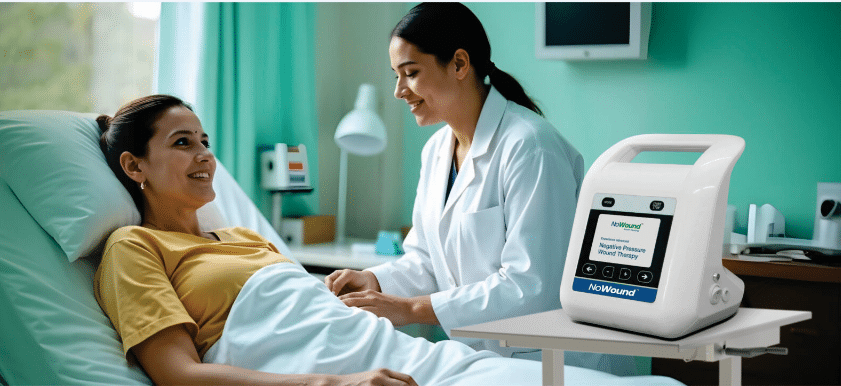
Negative Pressure Wound Therapy (NPWT) is an advanced technique that transforms how we care for wounds after surgery. It’s like a high-tech vacuum for wounds, but it does a lot more than just suck up dirt. NPWT helps wounds heal faster and with fewer problems, leading to better patient outcomes.

Key Components of NPWT

  • Foam/Gauze Dressing: Covers the wound bed to distribute pressure evenly
  • Adhesive Drape: Ensures an airtight environment
  • Vacuum Pump: Generates and controls negative pressure
  • Tubing: Connects the dressing to the vacuum pump
  • Collection Canister: Collects exudate and fluids removed from the wound

Principles of NPWT

  • Mechanical Stress: Applies negative pressure to the wound bed, stimulating cell proliferation and blood flow.
  • Fluid Removal: Removes exudate and infectious materials, reducing edema and bacterial load.
  • Wound Contraction: Draws wound edges together, promoting closure.
  • Microenvironment Control: Maintains a moist wound environment conducive to healing.
  • Bacterial Load Reduction: Eliminates infectious material from the wound bed.

NPWT Benefits in Post-Surgical Wounds

  1. Surgical Site Infection (SSI) Risk Reduction: Removes excess fluids and bacteria, minimizing contamination.
  2. Accelerates Wound Healing: It significantly speeds up the healing process by promoting granulation tissue formation, wound contraction, and angiogenesis (the formation of new blood vessels).
  3. Enhances Graft and Flap Survival: This procedure improves the chances of successful integration of skin grafts or surgical flaps by promoting close contact with the wound bed, reducing fluid accumulation, and enhancing blood flow.
  4. Effectively Manages Swelling: Promotes better circulation and prevents fluid accumulation.
  5. Minimizes the Need for Frequent Dressing Changes: Enhances patient comfort and reduces hospital visits.
  6. Cost-Effectiveness: Saves cost by reducing hospital stays and complications and the need for frequent dressing changes.

When is NPWT Recommended for Post-Surgical Wounds?

Indications for NPWT

Effective Group

Risk Factors

NPWT Benefit

Dehisced wounds

Wound separation, poor tissue strength

Promotes tissue adhesion and closure

Surgical wounds with high exudate

Excess drainage, risk of infection

Controls fluid and minimizes contamination

Patients with delayed healing

Diabetes, obesity, vascular disease

Enhances blood flow and granulation tissue

Grafts and flaps

Risk of poor graft adherence

Improves graft and flap integration

Contaminated surgical wounds

Infections, previous abscesses

Reduces bacterial load and prevents reinfection

Contraindications for NPWT

  • Presence of necrotic tissue with eschar (dry, black, dead tissue)
  • Untreated osteomyelitis (bone infection)
  • Malignant wounds
  • Exposed blood vessels or organs.

Applications of NPWT in Different Surgical Specialties

  1. Orthopedic Surgery: NPWT is highly effective for complex wounds following joint replacements, fracture repairs, and trauma surgeries.
  2. Abdominal and General Surgery: Helps manage open abdominal wounds, infected surgical sites, and wound dehiscence (reopening of a surgical incision).
  3. Plastic and Reconstructive Surgery: Essential for optimizing the survival of skin grafts and flaps, reducing fluid accumulation, and achieving better aesthetic outcomes.
  4. Cardiothoracic Surgery: Used in managing sternal wound infections and after complex chest procedures to reduce complications and promote healing.
  5. Vascular Surgery: Helps in patients with poor blood flow, such as those with diabetes or peripheral vascular disease.

Steps for NPWT Application

  1. Prepare the wound: Clean the wound carefully and remove any unhealthy tissue.
  2. Apply the dressing: A special foam or gauze dressing is cut to fit the wound and applied.
  3. Sealing: An airtight cover is placed over the dressing to create a closed environment.
  4. Vacuum: The dressing is connected to a vacuum pump that creates gentle suction. Based on wound characteristics, set suction levels (typically 80–125 mmHg) with continuous or intermittent pressure modes.
  5. Monitoring and Maintenance: Change the dressing every 48–72 hours or as directed. Check regularly to ensure everything is working correctly and there are no signs of infection.
  1.  

Tips for Patients Using NPWT at Home

  1. Maintaining the Device: Keep the vacuum pump charged and upright. Ensure the tube is not folded.
  2. Maintaining the Dressing: Do not remove or tamper with the dressing. Avoid getting it wet.
  3. Infection Monitoring: Inform your doctor if you observe any infection-related symptoms, such as fever, edema, or redness.
  4. Follow-Ups: Visit your doctor when scheduled for dressing changes and therapy adjustments.

Scientific Evidence Supporting NPWT

Frequently Asked Questions (FAQs)

1. How long does NPWT take to heal a post-surgical wound?

The duration of NPWT varies based on the type and severity of the wound. Some patients may require therapy for a few days, while others may need it for several weeks. Your doctor will determine the appropriate length of treatment.

NPWT accelerates recovery by reducing fluid buildup, enhancing oxygenation, and promoting tissue regeneration.

Signs of infection include increased redness, swelling, warmth, pain, foul-smelling drainage, or fever. If you notice any of these symptoms, contact your healthcare provider immediately.

Mild discomfort may occur, but NPWT generally reduces pain by stabilizing the wound environment and minimizing dressing changes.

Dressing changes typically occur every 2-3 days, which may vary depending on your wound and provider’s instructions. Some wounds require more frequent changes, especially if there is excessive drainage.

NPWT is available for home use with proper medical supervision to enhance patient mobility and comfort.

Potential risks include minor bleeding, device discomfort, or allergic reactions. Proper wound assessment minimizes complications.

Yes, but try to position yourself to avoid putting pressure on the wound or disturbing the tubing. Keeping the device nearby and securing the tubing can help prevent interruptions while sleeping.

Costs depend on wound size, therapy duration, and healthcare provider, but NPWT is cost-effective in the long run due to reduced hospital stays and complications.

Conclusion: Is NPWT Right for Your Post-Surgical Wound?

Negative Pressure Wound Therapy (NPWT) is an innovative solution for managing complex post-surgical wounds. It accelerates healing, reduces infection risks, and improves patient outcomes, making it a valuable option for individuals recovering from surgery. Consult your doctor to determine if NPWT is the right treatment for your surgical wound.

24/7 Patient Helpline

9773941323